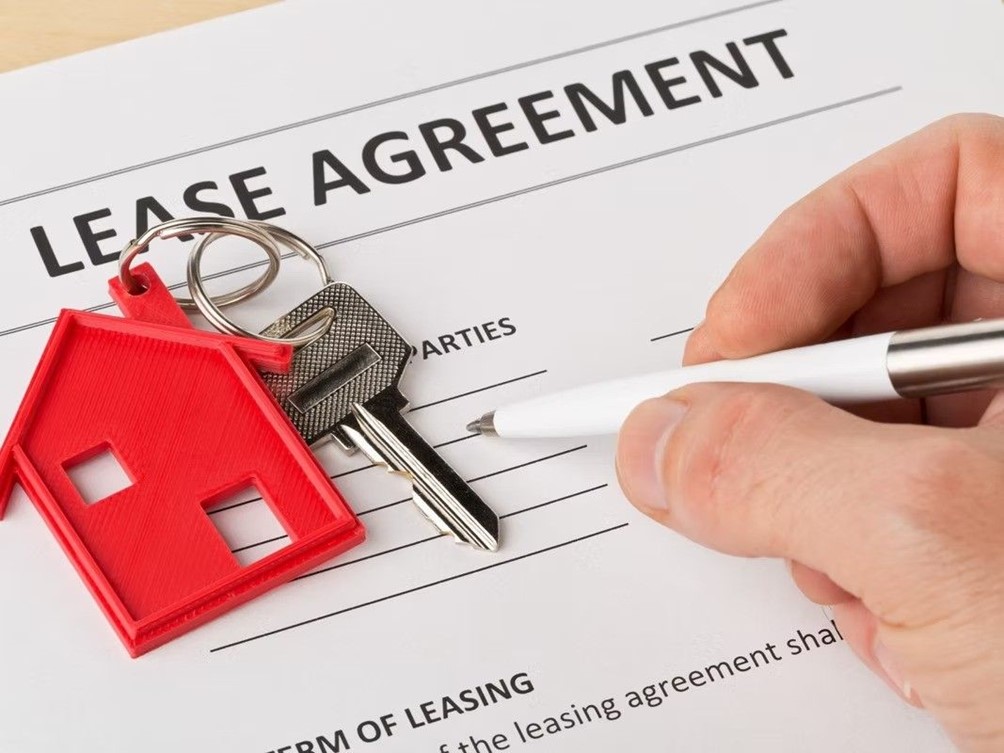
When a Chicago Lease Stops Feeling Like Home
There is something exciting about moving into a new apartment in Chicago. Fresh walls. New streets to explore. Late-night food spots around the corner. The city has a way of making every new place feel like the start of something bigger. But life changes fast. A new job shows up out of nowhere. Family situations shift. Roommates become difficult. Money gets tight. Sometimes the apartment that once felt perfect suddenly feels heavy. And when that happens, people start looking into Chicago lease termination options without even knowing where to begin.
That process can feel stressful at first. There is paperwork. Rules. Deadlines. Emails nobody wants to answer. But once you understand how things usually work in Chicago, it becomes much easier to breathe and make smart decisions.
Why So Many Renters Feel Trapped
One of the hardest parts about ending a lease early is guilt. A lot of renters feel like they failed somehow. Like leaving early means they messed up financially or made the wrong choice. But honestly, life in a busy city rarely stays predictable for long.
Chicago renters move for all kinds of reasons:
- Better job opportunities
• Safety concerns
• Relationship changes
• Family emergencies
• Rising living costs
• Mental health and burnout
None of those things makes someone irresponsible. They make someone human. And landlords in big cities deal with lease changes all the time. It is more common than most people think.
The First Thing You Should Always Do
Before panic takes over, slow down and read the lease carefully. That document matters more than people realize. Some leases already explain exactly what happens if you leave early. Others mention fees, notice periods, or replacement tenant rules. Skipping this step usually creates bigger problems later.
A lot of renters avoid reading the lease because legal wording feels exhausting. But even spending twenty focused minutes with a cup of coffee can clear up confusion quickly.
Look for sections that mention:
- Early termination
• Notice requirements
• Subletting
• Reletting fees
• Security deposit conditions
Those details can completely change the situation.
Communication Changes Everything
Many lease problems get worse because people disappear. They stop answering calls. Ignore emails. Move out suddenly. That usually creates tension immediately. A calm conversation works better than most people expect.
Landlords are people, too. Some are strict. Some are flexible. But almost all of them prefer honesty over silence. If you know you need to move, explain the situation early. Keep emotions low and communication respectful. Even difficult conversations often become manageable when handled calmly.
You do not need a perfect explanation either. Real life already gives enough reasons.
Chicago Is Different from Smaller Cities
Big cities move differently. In Chicago, apartments turn over constantly. New renters are always searching for neighborhoods close to work, nightlife, schools, or public transit. That can actually help tenants who need to leave early.
A landlord may be more willing to cooperate if finding a replacement renter feels realistic. Neighborhood demand matters a lot, too. Apartments in busy areas tend to attract interest faster. That means some lease situations resolve surprisingly quickly once listings go live.
This is one reason why many renters dealing with lease break in Chicago situations eventually realize the process is stressful but not impossible.
The Emotional Side Nobody Talks About
Moving out early can feel emotional in ways people rarely admit. Maybe that apartment held memories. Maybe it represented independence. Maybe it was supposed to be the place where life finally settled down. Then suddenly, boxes appear in the living room again. That feeling hits hard sometimes.
There is also anxiety about money. Fear of conflict. Fear of judgment. Fear of making the wrong move. Those emotions are completely normal during housing transitions. But staying stuck in the wrong apartment can drain people emotionally, too.
A home should feel safe. Comfortable. Livable. When it stops feeling that way, paying attention to that feeling matters.
Small Mistakes Can Cost Big Money
People often rush during stressful moves. That creates avoidable problems. Some renters forget the written notice. Others leave furniture behind. Some assume verbal agreements are enough. Documentation matters more than people expect.
Save emails. Keep copies of notices. Take move-out photos. Track payments clearly. Those simple habits protect renters from future disputes and confusion. And cleaning the apartment properly before leaving really does matter. It sounds basic, but many deposit disagreements start because tenants leave things unfinished during a rushed move.
Knowing Your Rights Helps You Stay Calm
One thing that surprises many renters is how much fear disappears once they understand local rules better. People often imagine worst-case scenarios immediately. Endless lawsuits. Destroyed credit. Huge penalties. Reality is usually far less dramatic.
Chicago has tenant protections. There are rules landlords must follow, too. Understanding those basics creates confidence during conversations and decisions. You do not need to become a legal expert overnight. But learning the fundamentals helps you avoid panic-based decisions.
Moving Forward Without Carrying Stress Forever
At the end of the day, apartments are part of life. Not the whole story. People outgrow spaces. Situations change. Priorities shift. That is normal in every major city, especially one as fast-moving as Chicago.
What matters most is handling the situation with honesty, clarity, and calm thinking. A lease ending early does not define your future. It simply means life moved in a different direction than expected. And honestly, most people living in Chicago have experienced that feeling at least once.


Comments are closed.